Week 23 - 24/2026
2nd to 14th June 2026
I wanted to write weekly note 23/2026 in Gujarati but finally I am writing notes 23-24 together in English.
I was thinking that I would write a long weekly note in Gujarati this time because I had many things to share, but anyway, here I am with a short note :)
⁂
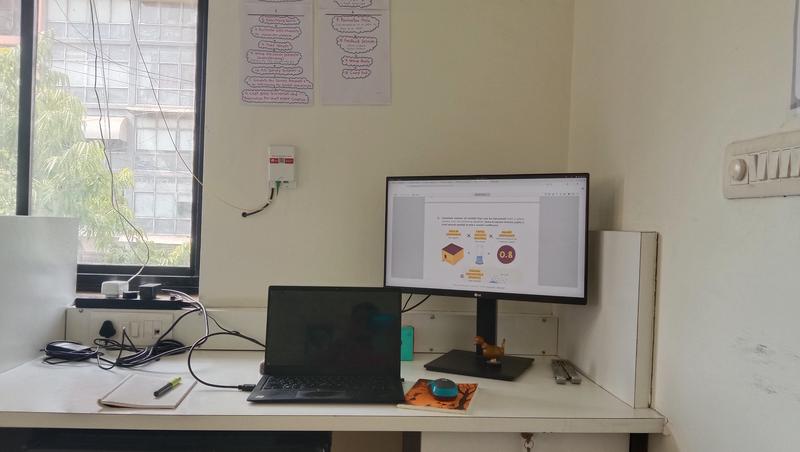
I started my first (official) day at TIDE Foundation as Program Manager. This role is very similar to what I was doing — thinking and envisioning for Khojbeen Mandali. How can we question the purpose of education, moving beyond just skills for employability to “education for harmony / peace / justice / maitri”? How can we share project-based learning, experiential learning, and nature education with more and more educators, schools, and NGOs? Fundraising, partnerships, curriculum development, strategic planning, team management — these are the different hats I am going to wear. Till now I have mostly worked as an educator and learning designer. For Khojbeen Mandali I used to do small-scale fundraising and other work, but it was very limited. Here I will be doing it at a slightly larger scale. I have always liked doing multiple things. This role is very much aligned with my overall education philosophy, the working culture is democratic to a large extent, and the financial growth is enough to fulfill our family’s needs right now. I will find ways to fulfill future needs.
I applied for a faculty position at Azim Premji University, Bhopal campus — Child Development and Learning — about a month ago. They shortlisted my application and wanted to schedule an interview, but by that time I had already taken the role here at TIDE. It was difficult, and in some ways easy, to say no to APU. I would not like a purely teaching role — I want multiple things. TIDE’s role is more aligned and exciting. APU is financially rewarding and offers a safety net. But I have always made decisions that are not mainstream. I don’t know how it will turn out. I might fail; this is risky… but…
My risk-taking ability has come down significantly after marriage — which is both good and bad :) Now I feel more settled and grounded, which is good. The challenge I have taken on with the TIDE role is this: I want to see myself thinking deeply, acting with calmness, and with a clear vision — practicing the education I am envisioning.
The last two weeks were full of teacher training, magazine work, and office work.
⁂
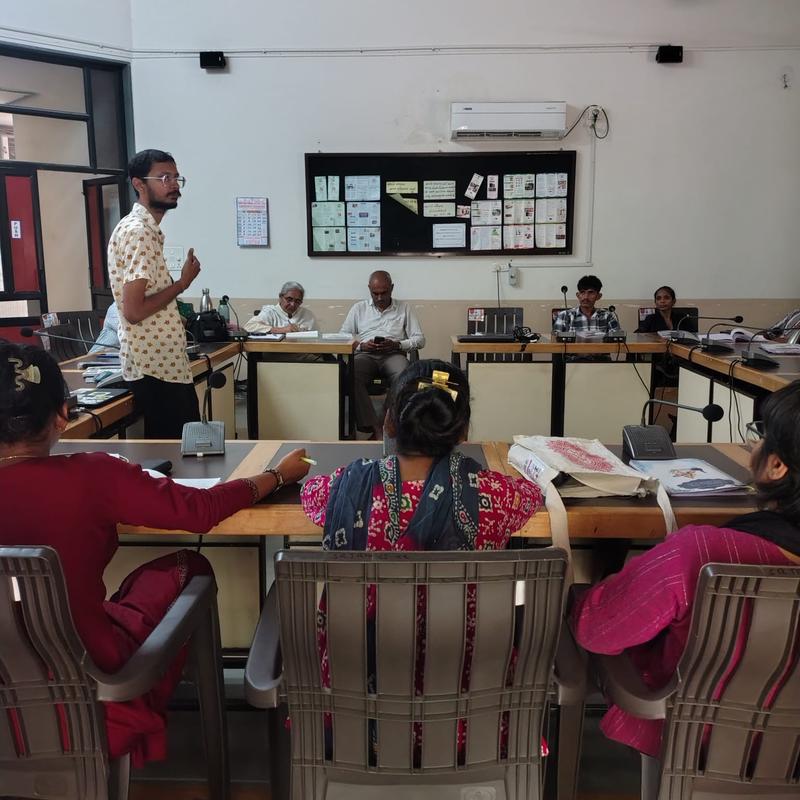
Three-Day Capacity Building Workshop | Project-Based Learning | Gopaldham Learning Center
Varun is a very inspiring educator and leader. He is working to develop a wonderful educational model in rural Gujarat, specifically in the Saurashtra area. I have visited this area many times in the past. Chaitanyabhai’s learning space is nearby.
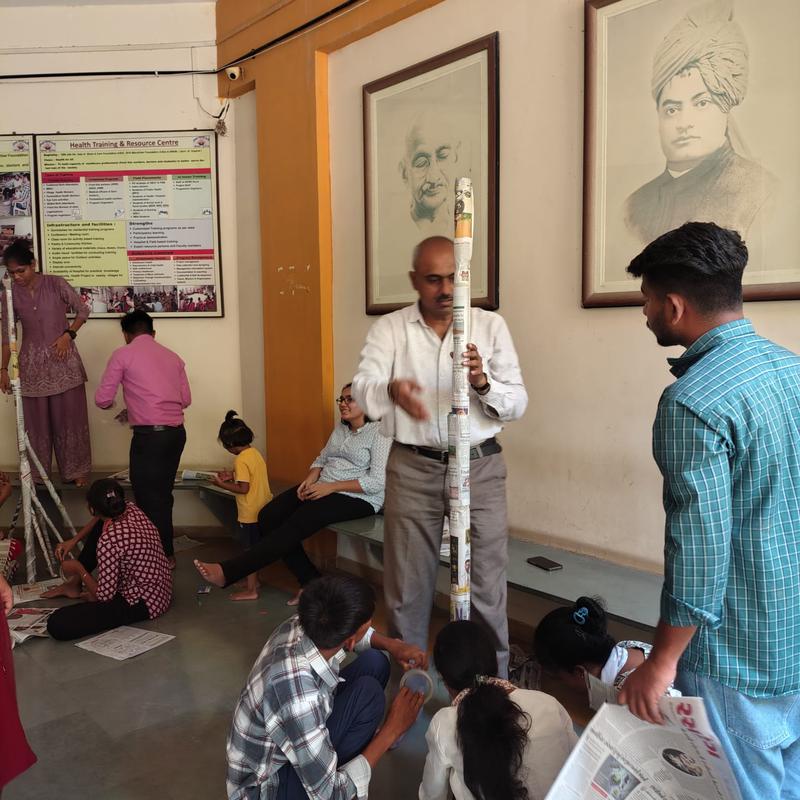
For the first time, I conducted a three-day workshop with teachers specifically on project-based learning. It was a new experience for me.
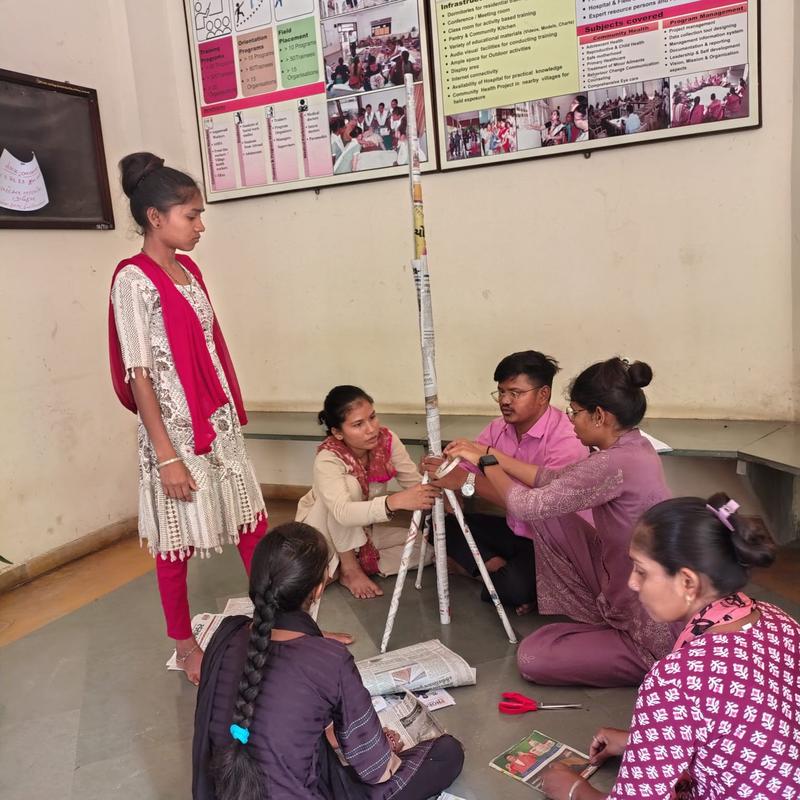
On the first day, we explored problem-based learning, where children solve local problems from their schools, villages, and communities — and in the process, learn different skills.
On the second day, we explored theme-based and inquiry-based approaches to projects, where I shared my experiments:
- Time Exhibition
- Vishwamitri Project
- River Festival
We played Nature Bingo on the second day and also did a water audit developed by Wipro Earthian.
On day three, we watched a film by Eklavya Foundation on the Hoshangabad Science Program. The third day mostly went into making and understanding lesson plans.
The teachers really liked the overall workshop. Two teachers who had already taken PBL training before gained real clarity on how to select topics for projects and how to facilitate them.
I was still feeling insecure at times, so I kept sharing my past experiences - like where I worked, which projects I did, and so on.
⁂
One-Day Capacity Building Workshop | Constructivism & Learning | Shaishav
Shaishav is a 30-year-old organisation working on child rights and education. They recently started a rural education fellowship where young people from the Dediyapada area (Narmada district, Gujarat) go into different schools and work with children. Shaishav provides two years of on-field support and training. At the end of two years, the young person receives an MA in Education degree from Lokbharti University.
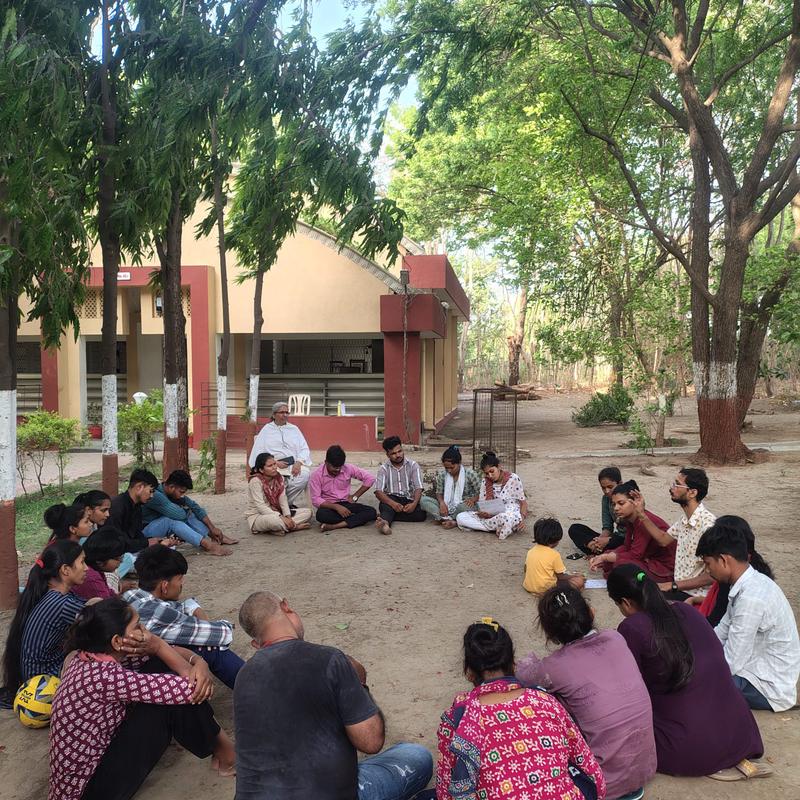
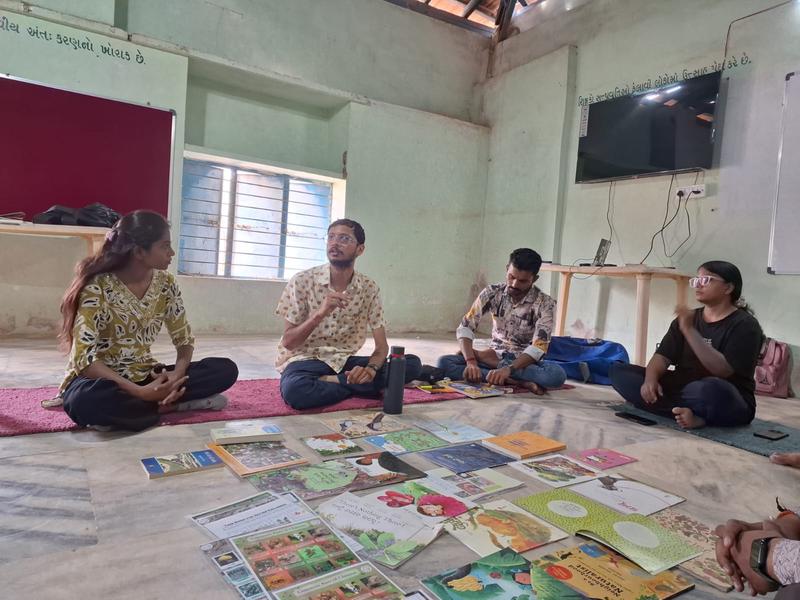
I conducted a one-day workshop with fellows on learning and constructivism at the Sewa Rural campus, Jhagadia.
We started with a definition of learning. We talked about behaviourism through Khatra school book images, then explored schema, assimilation, accommodation, and disequilibrium through different activities and examples — and then constructivism.
We also explored examples of constructive learning through design challenges, nature-based activities, and more.
The fellows shared that they gained an understanding of what the essential elements are for constructing knowledge - that disequilibrium and reflection are key.
Paulben, co-founder of Shaishav, asked a very interesting question: “We have tons of activities, songs, and games for children that we do with them on a regular basis, but sometimes children are not ready to do reflection after an activity. They just want to have fun, not engage with the harder part of thinking. How should we handle this?” I didn’t have a clear answer. I shared a few of my experiences. I would like to ask this question to other experiential educators in my circle.
⁂
Overall, it was a good two weeks - though it was also a whirlpool of emotions because of the APU situation. Oh, and how can I forget the magazine!
We are ready with the magazine for delivery. Copies are at my home. We posted a normal update on Instagram and WhatsApp, people registered, and now we are going to post their copies. We are also going to send bulk copies to organisations soon.
We are taking ₹75 as a contribution amount from people who can afford it. Most copies we are giving for free or on a “contribute as you can” model. We are not selling it because we want to make it accessible to children from different backgrounds.
The magazine is also available on Eklavya Foundation’s Pitarakart website.
We are grateful to everyone who supported us in so many ways — grants, illustration, writing, proofreading, designing, editing, printing, and everything in between. We are planning to hold an online event where we invite guests and discuss the role of children’s literature.
⁂
- I got a new screen for my ThinkPad X1 Carbon. I am now using this machine as my primary driver again. A few days ago I upgraded my OS to Ubuntu 26.04. GNOME 50 is super cool — I really like it.
- I have been working continuously for the last two weeks without a break or rest. I need to figure out my schedule and get back to yoga and proper food.